Japan-Specific Data AnnotationPhysical AI & Japanese Language & Culture

Annotated in Japan. Japan-based annotators bring human judgment to complex multimodal data, Japanese language, and cultural context.

AI development projects

700+

Companies served

100+

  • Honda
  • Fujitsu
  • JR East Trading
  • Tokyu
  • Kochi Prefecture
  • Manekineko
  • Nagoya University
  • THK
  • JMAM
  • Color
  • Mitsubishi Research Institute

WHAT SETS US APART

Annotation shaped by Japanese language, culture, and context.

Japanese language & cultural context

Native Japanese judgment captures politeness levels (keigo), slang, local conventions, and social context that literal labels miss.

Multimodal annotation for Physical AI

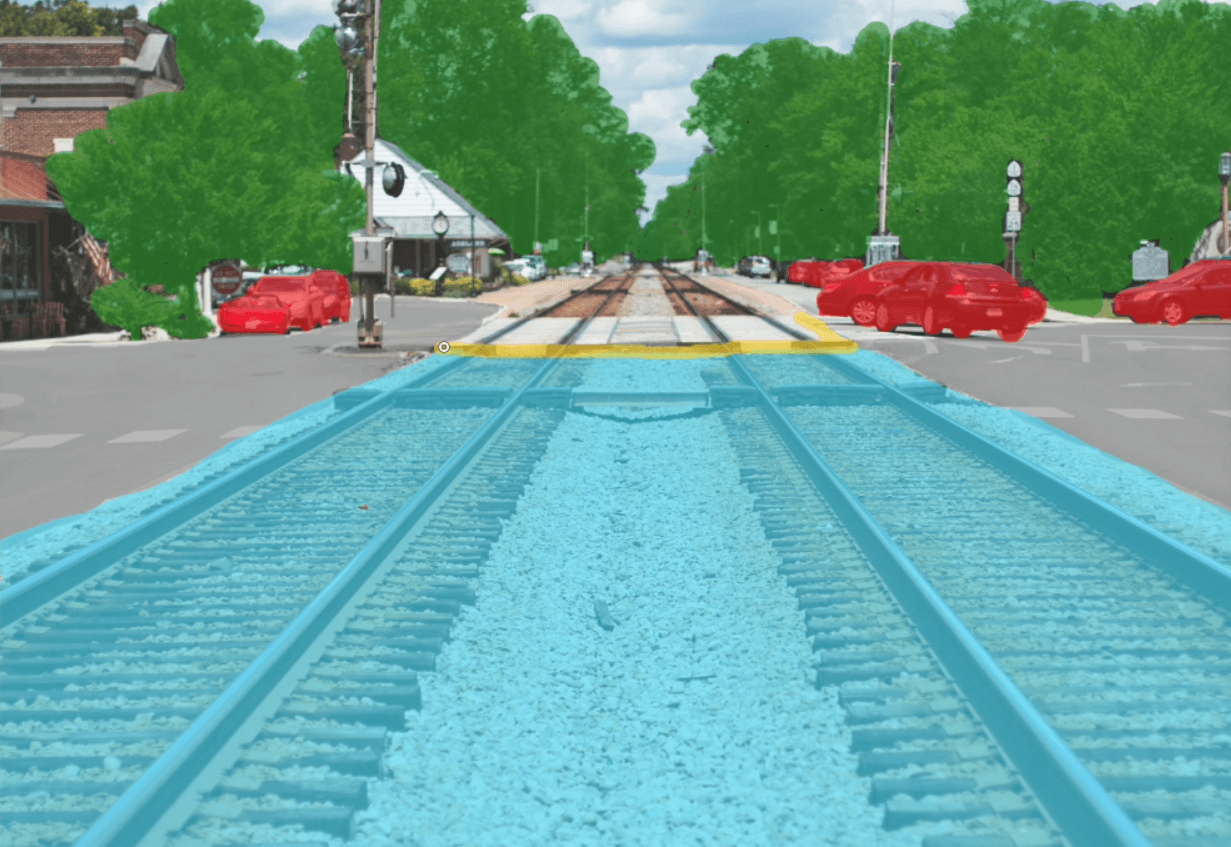
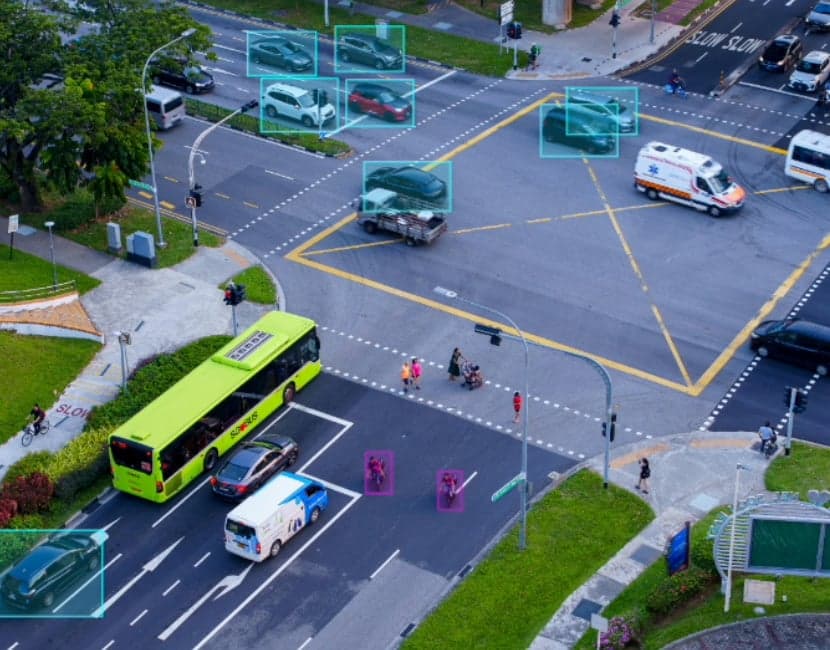
We can annotate video, audio, facial expressions, movement, and human interaction on a shared timeline, for Physical AI projects where behavior only makes sense in context.

Flexible Human-in-the-Loop quality

From specification and guideline design to annotation and review, we shape the workflow and the quality checks around your data, model, and project requirements.

OUR APPROACH

Human judgment where context matters.

Our Human-in-the-Loop approach brings AI, engineers, and Japan-based annotators together. Automation accelerates the repetitive work, while people review the nuance, context, ambiguity, and edge cases that models alone can miss. We adapt the balance of automation, human review, and quality control to each project, rather than forcing every dataset into the same process.
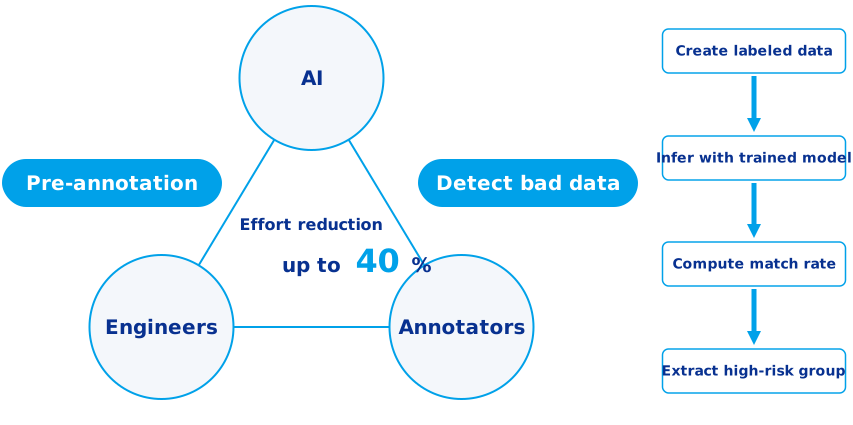

Human-in-the-Loop Diagram

REASONS

Why Clients Choose Us

Quality assurance

01Quality assurance based on joint research with the University of Tsukuba

To improve the reliability of annotation work, we conducted joint research with the University of Tsukuba. Based on findings around standardization, guideline development, and reproducibility, we have built a quality management system that combines academic insight with field practice.
Comprehensive support

02Comprehensive support from upstream planning onward

We do more than handle labeling. We can join from upstream tasks such as specification design and environment/tool preparation. With a consistent process that advances each phase step by step, we provide solutions optimized for the customer's business challenges.
Flexible adaptation

03Flexible response to new requirements and spec changes

We adapt flexibly to unexpected cases that arise during annotation work. Instead of simply continuing with the original plan, we continuously update the specification documents and guidelines so that even special data can be used effectively.

Safely manage your data assets

Security icon

Limited use of data

Data and deliverables entrusted to us are used only for the relevant project. We do not repurpose them for our own products or services.

Security icon

Access restrictions

By limiting access to the minimum necessary people and monitoring logs, we store data securely and prevent information leaks.

Security icon

Model disposal

Models trained on the relevant data, intermediate artifacts, and data no longer needed are promptly discarded once the project is complete.

PROCESS

Our delivery process

STEP01

Requirements definition

  • Clarify the business goals and the purpose of AI use, then define the project's success criteria.
  • Develop a project plan after determining the best balance of cost, quality, and development lead time.
STEP02

Data collection

  • Where a project needs it, we can start from planning and sourcing raw data that reflects real operating scenarios.
  • Create a collection plan that takes copyright, privacy, and compliance into account.
  • Source raw data that covers edge cases and diverse environments.
STEP03

Specification design

  • Organize requirements such as data type, volume, accuracy, coverage, and label structure.
  • Interview client experts and decision criteria, then organize the information structurally.
  • Define quantitative metrics and produce a specification document that reflects the interview findings precisely.
STEP04

Team setup

  • Assign the right people according to the project's characteristics and clarify roles and responsibilities.
  • Provide short-term training to help the team quickly acquire industry-specific knowledge and skills.
STEP05

Environment setup

  • Build a workspace with AI models incorporated on the assumption that pre-annotation will be used.
  • Research, select, and customize annotation tools.
  • Connect systems to visualize workload, progress, quality, and error rates.
STEP06

Annotation

  • Validate the specification and environment settings through a small pre-check using a limited data sample.
  • After AI pre-annotation, operators review and correct the labels.
  • Quality is maintained by combining AI anomaly detection with human random sampling.

CASE STUDIES

Japan-specific annotation in practice.

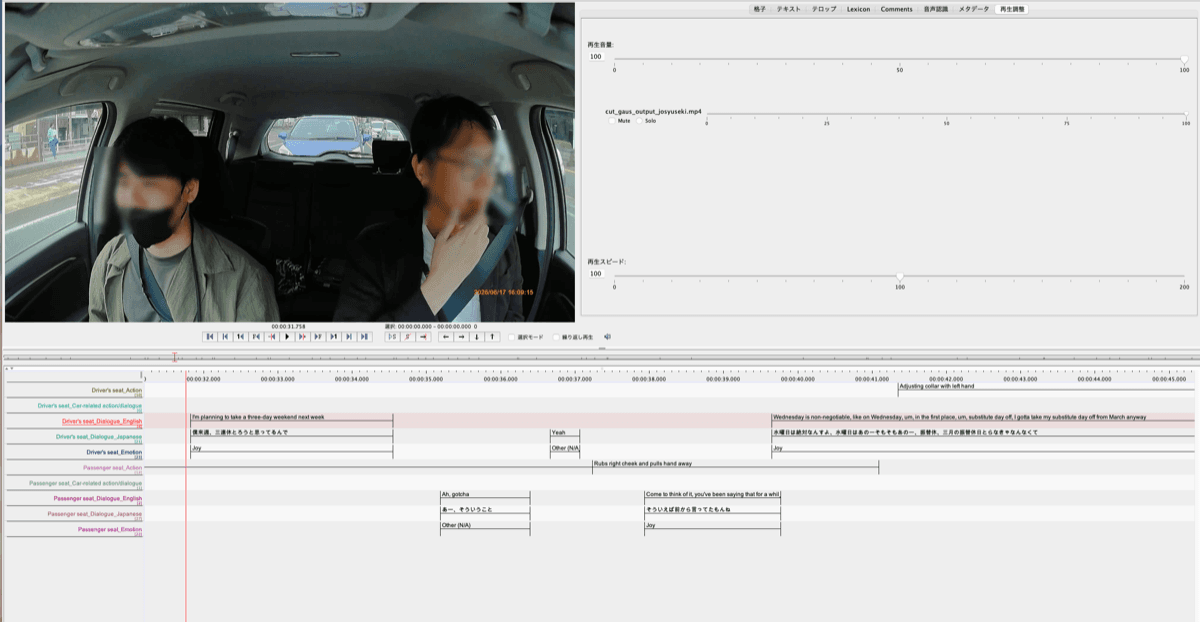
Annotation tool screen showing an in-cabin video of two people annotated on synchronized tracks for actions, Japanese and English dialogue, and emotion, aligned on one timeline

In-Cabin Multi-Track Annotation

Case category
Physical AI / Automotive
Target Client
Automotive & Physical AI Developers
Challenge
Understanding what happens inside a vehicle means reading several signals at once: what people say, how they say it, what they do with their hands, and how they feel from moment to moment.
Solution
Japan-based annotators labeled in-cabin video of two occupants on synchronized tracks: actions, Japanese dialogue with English translation, and emotion, all aligned on a single timeline.
Impact
Training data in which speech, behavior, and emotion can be read together rather than as separate labels, for driver monitoring and human-machine interaction in Japanese in-cabin settings.
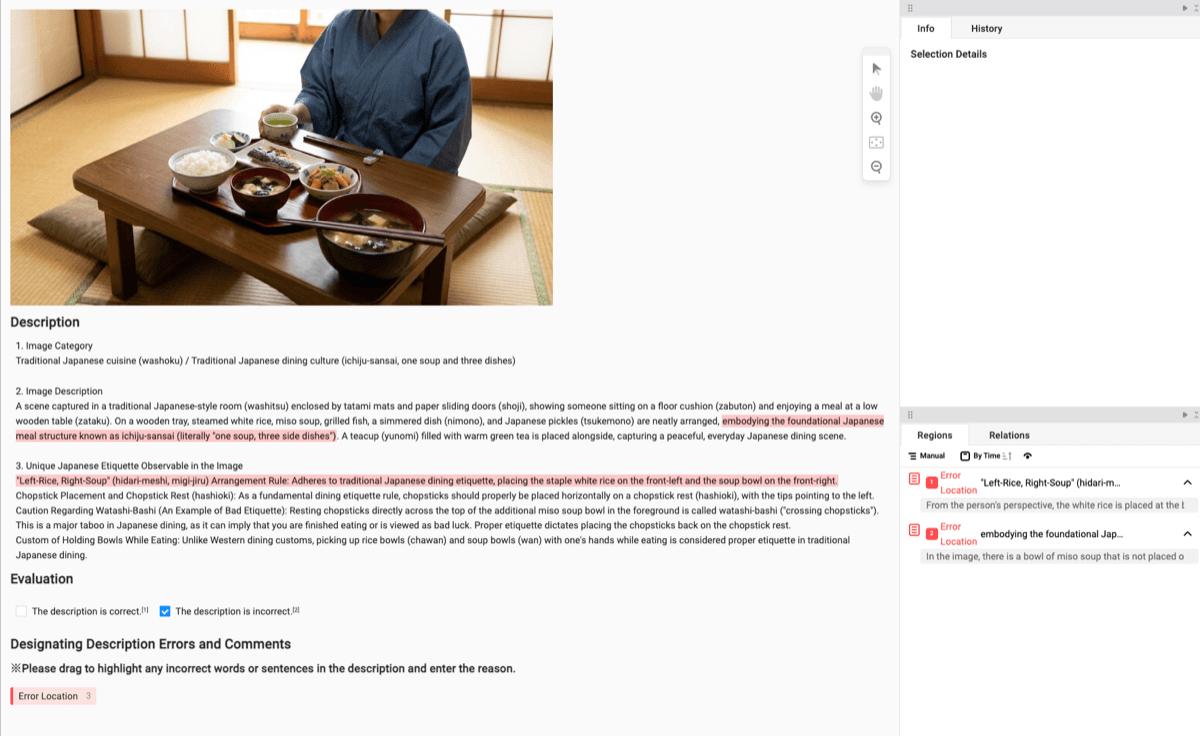
Evaluation annotation screen in which incorrect statements in an AI-generated English description of an ichiju-sansai meal are highlighted with the annotator's reasoning

Evaluation Annotation for Japanese Cultural Depictions

Case category
Japanese Language & Culture
Target Client
Global LLM & Generative AI Companies
Challenge
An AI-generated description of a traditional Japanese meal (ichiju-sansai) named the dishes correctly but got the etiquette wrong, such as where the rice and the soup should sit. Errors like these are invisible without cultural knowledge.
Solution
Native Japanese annotators reviewed each description, judged it correct or incorrect, highlighted every wrong statement where it stands, and wrote down why it is wrong.
Impact
Specific, explained corrections instead of a single score, so model developers can improve outputs for cultural accuracy and appropriateness for Japanese users.

Tell us what you're building.

Physical AI, Japanese language, or both, get in touch with us about your annotation needs.

Contact us